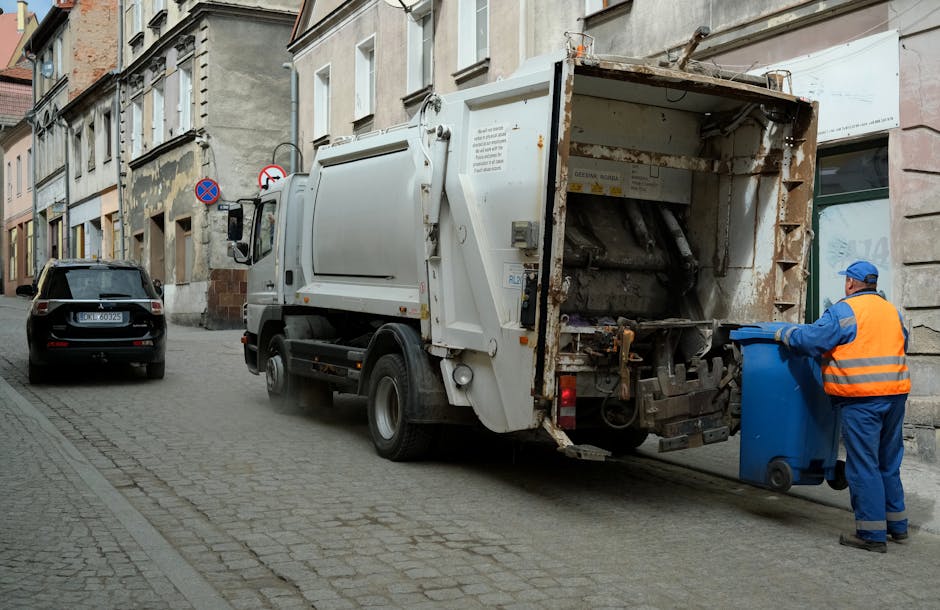
Romford Market rubbish removal guide RM1 insider tips
If you have ever tried to clear rubbish around Romford Market on a busy day, you will know the feeling: one minute you are dodging shoppers and delivery trolleys, the next you are staring at a pile of boxes, broken furniture, packaging, or trade waste wondering how on earth it is all going to leave RM1 without turning into a headache. This Romford Market rubbish removal guide RM1 insider tips is designed to make that job simpler, safer, and much less stressful. Whether you are a trader, a nearby business, a landlord, or just sorting out a one-off clearance, the right approach saves time, avoids awkward mistakes, and keeps everything above board.
Truth be told, most rubbish removal problems in this part of Havering are not about the rubbish itself. They are about timing, access, sorting, and knowing what should not be mixed in with general waste. Let's fix that.
Table of contents
- Why Romford Market rubbish removal guide RM1 insider tips matters
- How Romford Market rubbish removal guide RM1 insider tips works
- Key benefits and practical advantages
- Who this is for and when it makes sense
- Step-by-step guidance
- Expert tips for better results
- Common mistakes to avoid
- Tools, resources and recommendations
- Law, compliance, standards, or best practice
- Options, methods, or comparison table
- Case study or real-world example
- Practical checklist
- Conclusion
- Frequently asked questions
Why Romford Market rubbish removal guide RM1 insider tips Matters
Romford Market sits in a lively, high-footfall part of RM1, which changes the game a bit. Waste that would be easy to move from a quiet driveway suddenly becomes a logistics problem when pavements are busier, parking is tighter, and you have less room to stage items. Add weather, opening hours, loading restrictions, and the reality of shared access, and you can see why a rushed plan often goes wrong.
This matters for three reasons. First, time: waste left too long can block trading, annoy neighbours, or attract extra mess. Second, cost: bad sorting can mean you pay to move waste twice, or pay more than necessary because reusable items were thrown in with general junk. Third, compliance: certain materials need careful handling, and if you get it wrong, the problem does not disappear just because the pile has been moved out of sight.
There is also a reputational side to it. For traders and local businesses, a neat frontage says a lot. A clean market environment feels more professional, and customers notice that. You may not hear them say it, but they do notice. In a place like Romford, where people are constantly passing through, that first impression carries weight.
Practical takeaway: the best rubbish removal in RM1 is not the fastest-looking option; it is the one that matches access, waste type, timing, and disposal method properly.
How Romford Market rubbish removal guide RM1 insider tips Works
At its simplest, rubbish removal is the process of collecting unwanted items, loading them safely, transporting them away, and dealing with them at the correct facility or through an appropriate reuse or recycling route. Around Romford Market, the process usually needs a little more planning than a standard home collection because the surrounding streets can be busy and the work often has to fit around trading hours.
A proper clearance normally follows a few practical stages:
- Identify the waste - separate general rubbish, bulky items, recyclable materials, and anything potentially hazardous.
- Assess access - think about loading points, parking, stairways, back entrances, shutters, and whether the waste needs to be carried through public space.
- Choose the disposal route - general waste, furniture disposal, appliance removal, builders waste clearance, or specialist handling for restricted items.
- Arrange the collection timing - often the secret weapon in RM1. Early starts or off-peak windows can make everything smoother.
- Load and remove - careful lifting, sorting, and safe transport matter more than people expect.
- Confirm the paperwork and destination - especially if you are a business and need a clear trail for waste handling.
If the waste is a mix of shop fittings, packaging, broken shelving, old office items, or leftover renovation debris, it can help to look at waste removal options that fit the job rather than trying to force everything into one standard approach. For trade and commercial sites, business waste removal is often the cleaner route.
And yes, sorting sounds boring. But boring is good when it saves you an awkward clean-up later.
Key Benefits and Practical Advantages
Good rubbish removal is not just about getting rid of stuff. It should make the whole space easier to use again. Around Romford Market, where space is always at a premium, the benefits are very noticeable.
- Cleaner access: fewer trip hazards, less clutter, and a safer route for staff, customers, or residents.
- Better timing: collections can be planned around market activity instead of fighting against it.
- Smarter sorting: reusable furniture, scrap metal, cardboard, and mixed waste can be separated where possible.
- Reduced stress: you do not have to work out transport, lifting, and disposal points on your own.
- Lower risk of mistakes: proper handling helps avoid mixing hazardous or restricted materials with ordinary rubbish.
- Professional presentation: especially useful for retailers, market stalls, landlords, and offices nearby.
There is also a quieter advantage that people often miss: clarity. Once a space is cleared properly, you can actually see what is left to deal with. That makes the next decision easier, whether that is a sale, a refurbishment, a move, or just a reset.
For bulky items, it can be worth reviewing specific disposal routes like furniture disposal, mattress and sofa disposal, or fridge and appliance removal rather than treating everything as general waste. That one decision can change the whole job.
Who This Is For and When It Makes Sense
This guide is useful for a wider group than you might think. Yes, it helps market traders. But it is also relevant to nearby shops, cafes, offices, landlords, flat owners, builders, and anyone dealing with clutter or bulk waste around the RM1 centre.
It makes sense if you are:
- closing or reconfiguring a stall
- clearing packaging after a delivery-heavy day
- removing old stock, display fixtures, or shelving
- dealing with end-of-tenancy or flat clearance nearby
- clearing a garage, loft, or storage unit close to the market
- completing a refurb or light building project
- handling bulky waste that will not fit in normal bins
- sorting mixed items and not wanting a DIY nightmare on your hands
For residents in nearby streets, a local clearance can be just as useful. If your home has built up years of clutter, then home clearance or house clearance may be a better fit. Flats and smaller properties often benefit from flat clearance, especially where stair access is awkward or parking is limited.
To be fair, the real test is not whether you have "a bit of rubbish". It is whether the waste has started taking up time, space, or headspace. Once that happens, it is probably worth dealing with properly.
Step-by-Step Guidance
Here is a practical way to tackle rubbish removal around Romford Market without overcomplicating it.
- Walk the site first. Look at what is actually there, not what you think is there. Waste often looks smaller in the corner and bigger once you start lifting it.
- Separate by type. Put cardboard, furniture, appliances, builders rubble, and bagged rubbish into different groups if possible.
- Remove anything sensitive or restricted. Documents, electrical items, sharps, chemicals, and liquids should be handled carefully. If in doubt, set them aside.
- Measure access properly. Check doorway widths, stair turns, loading areas, and whether a vehicle can reasonably stop nearby.
- Think about timing. Earlier or quieter hours can make loading safer and less disruptive.
- Decide what can be reused or recycled. Sometimes a single table, rail, or appliance can be diverted from general waste.
- Book the most suitable service. If it is a mixed job, make sure the provider understands the full picture.
- Prepare the area. Clear routes, protect flooring if needed, and keep pets, staff, or customers out of the way.
- Check final sweep-up. A good clearance should leave the area tidy, not just emptied.
If you are unsure what can be taken with a mixed load, it helps to check a practical guide like what can go in a skip. Even if you are not hiring a skip, the same sorting logic is useful. Not everything belongs in the same pile, and that is where many jobs get messy.
A small but useful trick: photograph the waste before you move anything. It helps you compare options, estimate load size, and avoid the "it looked smaller yesterday" problem. Happens all the time.
Expert Tips for Better Results
Here are the insider tips that make a real difference in RM1.
- Book around the street rhythm. Market days, delivery windows, school runs, and lunch traffic all matter. A half-hour timing adjustment can save a lot of faff.
- Keep recyclable cardboard separate. Around markets, cardboard mounts up fast. It is light, bulky, and easiest to deal with when flattened and bundled early.
- Do not leave mixed waste loose. Open bags spill, blow, and slow everything down. Bag it properly or box it properly.
- Use one staging area only. Scattered piles create confusion and can make a small job feel twice as large.
- Check for hidden heaviness. Old units, damp packaging, broken counters, and mixed debris weigh more than they look.
- Plan the route out. The best collection is not the one with the shortest lifting distance on paper; it is the one with the least friction on the day.
- Keep a separate pile for specialist items. That includes fridges, certain electricals, and anything you suspect may need specialist handling.
A lot of people focus on the visible waste and ignore the smaller items. Nails, broken glass, cable ties, and loose screws are the sneaky ones. They are annoying, sharp, and somehow always the last thing you find under your shoe. Lovely.
If your waste includes fit-out debris or renovation leftovers, it may be worth looking at builders waste clearance. For garages, lofts, or storage-heavy spaces, garage clearance and loft clearance are often the cleaner route.
Common Mistakes to Avoid
A few mistakes crop up again and again, especially with busy local sites.
- Leaving everything to the last minute. This is the big one. Rubbish removal becomes much harder if you only think about it when the site is already blocked.
- Assuming all waste is the same. It is not. Furniture, electricals, plasterboard, cardboard, and general waste each behave differently.
- Ignoring access issues. A collection that looks simple from the doorway can be a pain if there is nowhere legal or sensible to stop.
- Mixing hazardous items into general rubbish. That is a bad idea. Stop, separate, and ask for proper advice.
- Forgetting about recycling opportunities. You may be paying more than needed if reusable or recyclable items are not identified early.
- Using the wrong service for the job. A light domestic clearance is not the same as a trade waste job, and vice versa.
Here is the thing: most of these mistakes are completely avoidable. They come from rushing. Take ten minutes to sort, and you often save an hour later. Strange but true.
Tools, Resources and Recommendations
You do not need a giant toolkit to manage rubbish removal well. In most cases, a few simple items help enormously.
- Heavy-duty gloves for handling awkward or dirty waste
- Strong bin bags or rubble sacks for bagged rubbish and heavier debris
- Marker pens and labels to separate recyclables, keep, and dispose piles
- A tape measure for checking access and item sizes
- A phone camera for documenting the load before collection
- Dust sheets or cardboard protection if items need to move through indoor areas
For households or business premises with mixed clearance needs, it also helps to keep the wider service picture in mind. Furniture clearance can be a better match than general waste when the load is mostly sofas, tables, or office chairs. For paperwork-heavy premises, confidential shredding is useful where sensitive documents need secure disposal rather than just a clear-out.
If you are trying to decide between separate collections and one larger visit, compare the cost, access, and time saved. Sometimes one tidy visit wins. Sometimes splitting the job makes more sense. No need to overthink it.
Law, Compliance, Standards, or Best Practice
Waste handling in the UK should always be approached with care. The exact rules depend on the material and the circumstances, but the basic expectation is simple: waste should be stored, transferred, and disposed of properly, with special attention given to anything hazardous, electrical, sharp, or contaminated.
For businesses around Romford Market, good practice usually means keeping clear records of what is removed, separating waste streams where practical, and making sure the provider is appropriately equipped for the job. If you are dealing with food-related waste, trade waste, or mixed commercial clearance, you should be even more careful about contamination and cleanliness.
Some materials need particular handling. Fridges, appliances, and electrical items are not just "old stuff"; they may contain components that need specialist routing. The same is true for some liquids, chemicals, or construction debris. If you are unsure, it is best to pause rather than guess. That pause can save a lot of bother.
It is also sensible to look at the provider's own standards. Pages like health and safety policy, insurance and safety, and recycling and sustainability give useful signals about how seriously a company treats the job. If you are comparing providers, that is not fluff. It matters.
For business customers, having a simple internal process helps: identify waste, separate restricted items, confirm access, and keep a note of collection details. Nothing fancy. Just a sensible routine.
Options, Methods, or Comparison Table
People around RM1 usually choose between a few practical options. The right one depends on the type and volume of waste, how quickly it needs moving, and how much physical effort you want to avoid.
| Method | Best for | Pros | Watch out for |
|---|---|---|---|
| Manual bagging and council-bin style disposal | Very small amounts of light rubbish | Cheap in the short term, easy for tiny jobs | Slow, limited capacity, can become multiple trips |
| Skip-style approach | Ongoing renovation waste, mixed bulk waste | Good for larger, time-spread projects | Space needed, loading discipline required, not ideal for tight streets |
| Man and van rubbish removal | Quick clearance, bulky items, mixed loads | Fast, flexible, labour included | Needs good access planning, pricing depends on load and materials |
| Specialist item removal | Appliances, mattresses, hazardous or sensitive items | Safer handling, better disposal route | May cost more than standard waste because the handling is more specific |
In a busy market area, the man and van model is often the most practical because it avoids the long delays and space issues that can come with static containers. Still, if your project runs for days or weeks, a different method may suit you better. It depends. Annoying answer, maybe, but it is the honest one.
Case Study or Real-World Example
Picture a trader near Romford Market finishing a refurbishment at the end of the week. The stall has old shelving, flat-pack packaging, a broken display unit, a few chairs, and a pile of mixed rubbish from the strip-out. Nothing dramatic, but enough to clutter the work area and slow reopening.
The first instinct is usually to start lifting everything into one pile. That is where delays begin. In a better approach, the trader sorts the items into four groups: reusable stock, cardboard and clean packaging, bulky furniture, and mixed waste. The fridge-sized problem, so to speak, turns into a manageable collection plan.
By clearing the route first and arranging the collection for a quieter early slot, the whole job becomes simpler. The team can load the bulky items quickly, the lighter waste is not crushed under heavier debris, and the site is left ready for the next trading day. No drama, no last-minute scramble, no awkward pile sitting outside when customers arrive.
That kind of result is exactly what this guide aims for. Not perfection. Just a smoother day.
Practical Checklist
Use this checklist before any Romford Market rubbish removal job.
- Confirm what type of waste you have
- Separate general rubbish from furniture, appliances, and recyclables
- Set aside anything hazardous or unclear
- Check access, parking, and loading space
- Choose a collection time that avoids peak foot traffic where possible
- Protect floors or walls if waste needs to move through indoor areas
- Make sure bags, boxes, and bulky items are ready to lift
- Keep documents and personal items out of the waste stream
- Review whether any items need specialist disposal
- Do a final sweep so the area is left tidy
Quick expert summary: if you sort the waste first, think about access second, and schedule the collection around local traffic patterns, you will usually get a cleaner result with less stress. That is the real insider tip.
Conclusion
Romford Market rubbish removal is rarely difficult because of the rubbish itself. It becomes difficult when timing, access, sorting, and disposal are not planned properly. Once you understand the local rhythm of RM1 and the type of waste you are dealing with, the whole process becomes far more manageable.
The smartest approach is usually simple: sort the load early, keep special items separate, avoid peak disruption, and choose the right removal method for the job. Whether you are clearing a stall, a flat, a shop, or a mixed business premises, a little planning goes a long way. And honestly, it is one of those jobs that feels ten times better once it is done.
If you want a straightforward next step, compare your waste type, access, and timing needs with a service that handles local clearances cleanly and carefully. That way you are not just moving rubbish around, you are actually getting the space back.
Get a free quote today and see how much you can save.
When the clutter is gone, the place feels lighter. Simple as that.
Frequently Asked Questions
What is the best way to handle rubbish removal near Romford Market?
The best approach is to sort the waste first, check access and parking, and choose a collection method that suits the load. In busy RM1 areas, timing matters just as much as the waste type.
Can I mix furniture, packaging, and general rubbish in one collection?
Often yes, but only if the provider accepts mixed loads and the items are suitable for the same disposal route. It is still better to separate bulky furniture, cardboard, and general waste where possible.
Do I need specialist removal for appliances?
Appliances such as fridges, freezers, and some electrical items often need careful handling. It is sensible to use a service that offers fridge and appliance removal rather than putting them in a general rubbish pile.
Is skip hire better than rubbish removal for Romford Market jobs?
Not always. Skip hire can work for longer projects, but it needs space and can be awkward in tighter streets. For quick clearances or bulky mixed waste, a collection service is often easier.
How do I reduce the cost of rubbish removal?
Sort waste before collection, separate recyclable cardboard, avoid mixing specialist items with general rubbish, and make sure access is clear. Less handling usually means less time and less hassle.
What should I do with confidential papers or documents?
Keep them separate from ordinary waste and arrange a secure disposal route. Confidential shredding is the safer option if the papers contain personal or business information.
Can rubbish removal happen early in the morning near the market?
Often it can, and early slots are frequently the easiest in busy areas like RM1. The exact timing depends on access, local traffic, and the collection provider's schedule.
What items are commonly missed during a clearance?
People often forget broken glass, screws, cables, packaging tucked behind furniture, and small bits of debris under shelving. Those little leftovers are the ones that make a space feel unfinished.
Is there anything I should never mix with general waste?
Yes. Hazardous materials, chemicals, some sharp objects, and certain electrical items should not just be thrown in with ordinary rubbish. If you are unsure, separate them and ask for advice.
How do I know whether I need business waste removal or a domestic clearance?
If the waste comes from trading, an office, a shop, or a commercial space, business waste removal is usually the better fit. For homes, garages, lofts, and flats, a domestic clearance service is often more suitable.
What if I only have a small amount of rubbish?
A small load can still be worth collecting if it is bulky, awkward, or hard to transport yourself. Sometimes a "small" pile takes more effort than a bigger one because of where it is sitting.
How important is recycling in rubbish removal?
Very important, especially for cardboard, some furniture, and selected appliances. Separating recyclable items early can reduce waste and make the clearance more efficient.
Who should I contact if I am not sure what service I need?
Start with a service that can explain pricing, access, and waste categories clearly. If you need more detail, the about us and contact us pages can help you understand how the company works and how to reach them.
For anyone in RM1 trying to clear a market-side mess, the goal is not just empty space. It is a calmer day, a tidier frontage, and one less thing hanging over you. That alone is worth doing properly.